



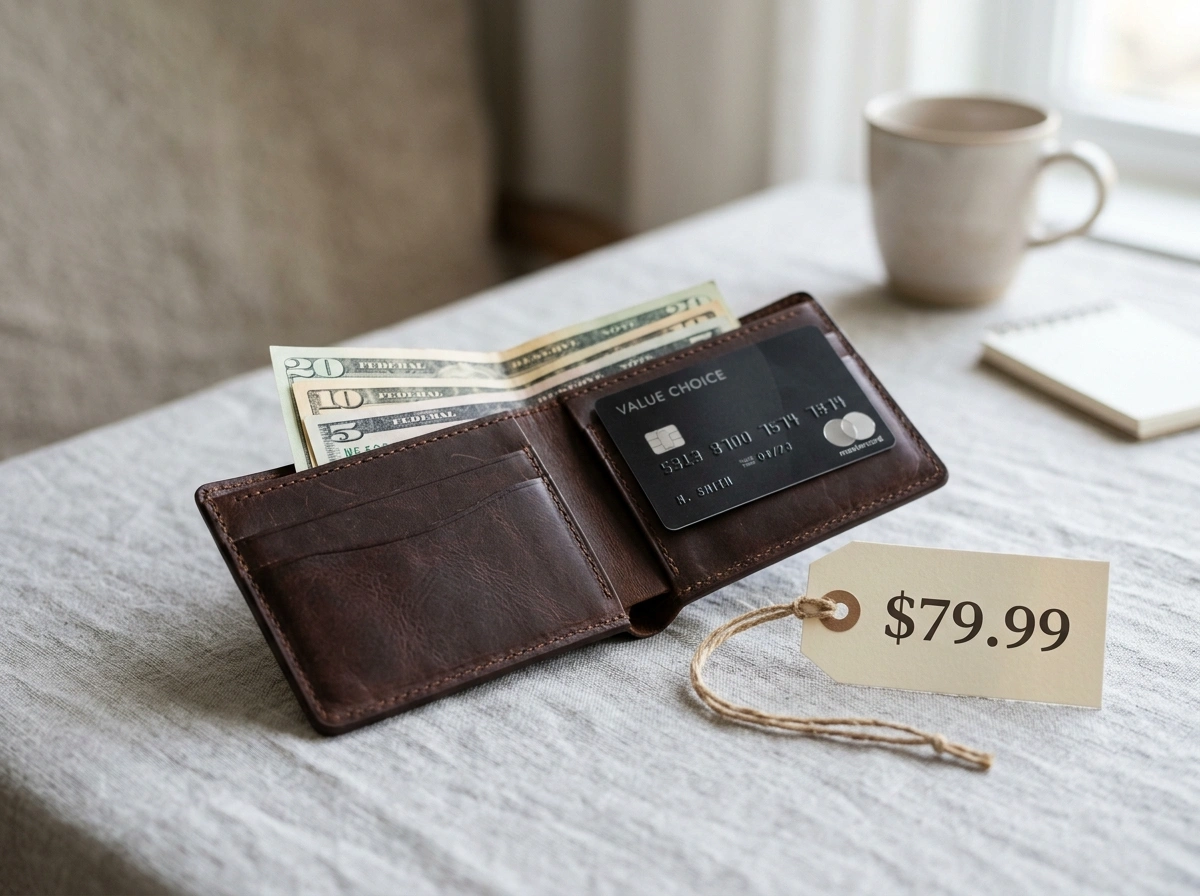
Stretching a dollar feels harder than it used to. Prices shift, sales come and go, and every purchase asks the same question: am I getting real value, or just a low price? The good news is that a tight budget doesn’t mean settling for less. With a little strategy, you can find products that perform, last, and even impress, all while keeping each purchase under $80.
This guide breaks down how to shop smart, evaluate quality on a budget, and find genuine value across the categories that matter most to American shoppers.
Why $80 Is the Sweet Spot
The $80 mark sits at an interesting place in the market. It’s high enough to access well-made products but low enough to keep your spending disciplined. Below this point, you’ll find a surprising range of quality items, especially if you know what to look for and where to look.
For value-conscious shoppers, having a clear ceiling changes how you buy. Instead of being tempted by upgrades you don’t need, you focus on what delivers the most for your money. Resources like max 80 dollars reflect this mindset, helping people make confident choices without overspending. Setting a firm limit turns shopping from a guessing game into a plan.
How to Evaluate Quality on a Tight Budget
A low price tag means nothing if the product breaks in a month. Smart shoppers learn to judge quality before they buy. Here’s how to do it well.
Read Reviews With a Critical Eye
Customer reviews are your best free research tool. Look beyond the star rating. Read the three-star reviews first, since they tend to be the most balanced. Pay attention to comments about durability, real-world performance, and how the seller handles problems.
Watch for patterns. If five different people mention the same flaw, that flaw is real. A single angry review, on the other hand, might just be a bad shipping day.
Check Materials and Specs
For electronics, compare specs like battery life, processing power, and warranty length. For clothing, check the fabric content; cotton blends and sturdy stitching often outlast cheaper synthetics. For home goods, look at materials such as stainless steel, solid wood, or BPA-free plastics.
A quick spec comparison between two similar items often reveals which one offers more for the same price.
Factor in the Warranty and Return Policy
A strong return policy signals that a company stands behind its product. Before you buy, confirm the return window and warranty terms. This protects your money and saves you from getting stuck with something that doesn’t work as promised.
Where to Find Great Value Under $80
Value lives in different places depending on the category. Here’s where your $80 goes furthest.
Electronics and Tech
Tech is one of the best areas for budget shopping because competition keeps prices honest. Under $80, you can find:
- Wireless earbuds with solid sound and noise reduction
- Smart plugs and bulbs that bring home automation within reach
- Portable chargers and power banks with fast-charging support
- Budget mechanical keyboards and ergonomic mice
- Streaming sticks that turn any TV into a smart TV
Last-generation models often drop well below $80 once a new version launches. The performance gap is usually small, but the savings are large. With high tech adoption across the country, retailers refresh inventory often, which means more discounts for patient shoppers.
Fashion and Apparel
Style doesn’t require a designer budget. Under $80, you can build a versatile wardrobe that looks far more expensive than it costs.
Focus on classic pieces that pair with everything: a well-fitted pair of jeans, a quality jacket, or durable sneakers. Off-season shopping is your friend here. Buy winter coats in spring and swimwear in fall, when prices fall sharply.
Outlet stores, end-of-season sales, and reputable resale platforms let you score premium brands at a fraction of retail. A $70 jacket that lasts five years beats a $30 one you replace every season.
Home and Kitchen Goods
The home goods category is packed with affordable wins. Under $80, you can upgrade your space without overspending:
- Cookware sets with nonstick or stainless construction
- Small appliances like blenders, air fryers, and coffee makers
- Bedding and bath sets in soft, durable fabrics
- Storage and organization solutions that make daily life easier
- Décor pieces that refresh a room instantly
When shopping for the kitchen, prioritize items you’ll use daily. A reliable $60 air fryer earns its keep faster than a fancy gadget you use twice a year.
Health, Beauty, and Personal Care
This category rewards careful comparison. Many drugstore brands match premium products in quality while costing far less. Look for items with simple, effective ingredients and strong reviews. Multi-use products, like a moisturizer with SPF, give you more value per dollar.
Tips for Making the Most of a Limited Budget
A budget is only as strong as the habits behind it. These practical strategies help you get more from every $80.
Time Your Purchases
Sales follow predictable patterns. Major shopping events like Black Friday, Cyber Monday, and Amazon Prime Day bring deep discounts. Holiday weekends such as Memorial Day and Labor Day are great for appliances and furniture. Knowing the calendar lets you wait for the right moment instead of paying full price.
Use Price-Tracking Tools
Browser extensions and apps track price history and alert you when an item drops. This stops you from buying during a fake “sale” and helps you spot a genuine deal. A few minutes of setup can save real money over the year.
Stack Your Savings
Combine coupons, cashback apps, and store loyalty programs for layered discounts. Many credit cards also offer rotating cashback categories. Stacking these tools can knock another 10 to 20 percent off a price that’s already low.
Buy for the Long Haul
The cheapest option isn’t always the most affordable. A durable product that lasts years often costs less over time than a bargain item you replace twice. Think in terms of cost per use, not just the sticker price.
Avoid Impulse Buys
Give yourself a 24-hour rule for anything you didn’t plan to buy. If you still want it the next day, it’s probably worth it. If not, you just saved money. This simple pause is one of the most powerful budgeting habits you can build.
Common Concerns About Budget Shopping
Some shoppers worry that affordable means low quality. In reality, many budget products use the same factories and materials as premium ones, minus the brand markup. The key is research, not price alone.
Others worry about missing out on better features. But honest reflection usually shows that the most expensive version includes extras you’ll never use. Buying what you actually need is the smartest way to protect both your budget and your satisfaction.
Actionable Takeaways for Value-Conscious Shoppers
Smart shopping under $80 comes down to a few clear habits:
- Set a firm budget and let it guide every decision.
- Read reviews critically, focusing on durability and real performance.
- Compare specs and materials before committing to a purchase.
- Shop the calendar, timing buys around major sales and off-seasons.
- Stack discounts with coupons, cashback, and loyalty rewards.
- Think long-term, choosing items that last over the cheapest pick.
- Pause before impulse buys with the 24-hour rule.
Value isn’t about spending the least. It’s about getting the most for what you spend. With these strategies, an $80 budget can deliver products that perform well, last long, and leave you confident in every choice you make. Shop with a plan, trust your research, and let your money work harder for you.