



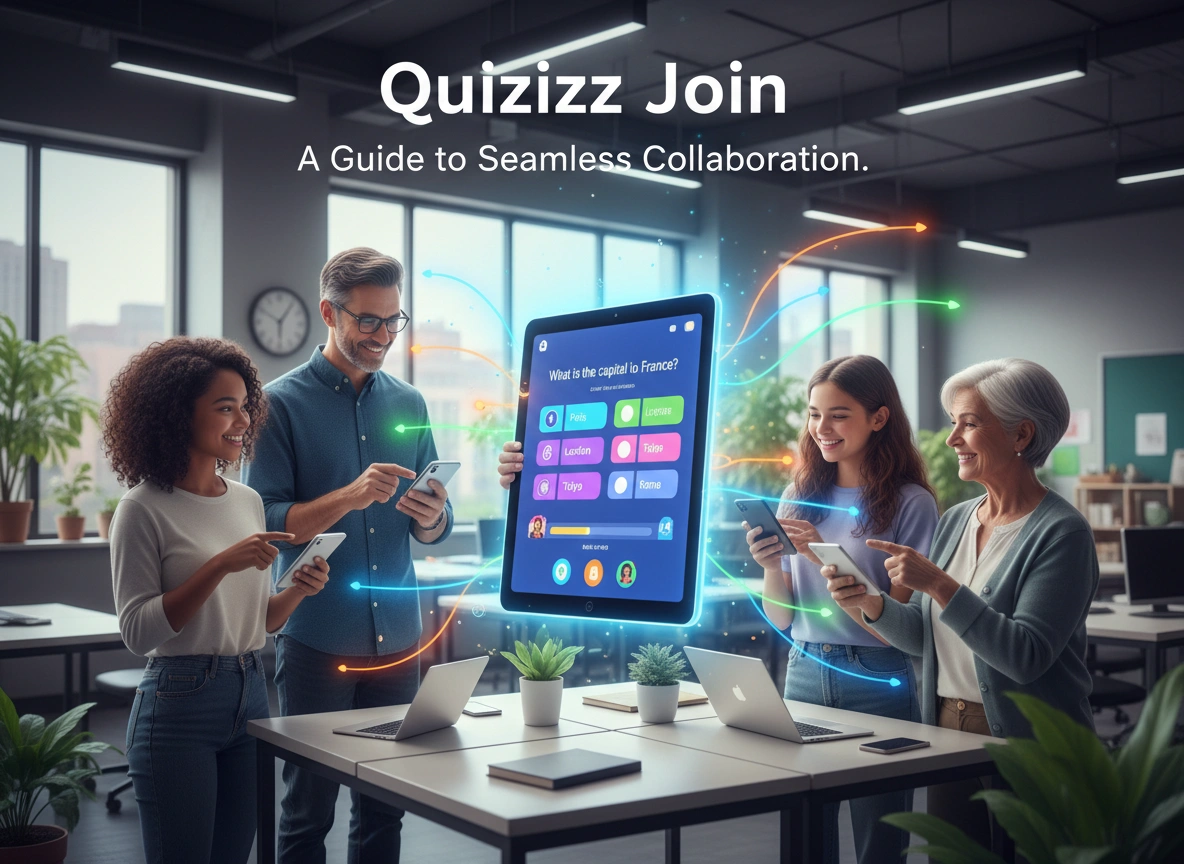
Engaging students in a meaningful way requires more than just presenting information. Teachers and students alike need tools that transform passive listening into active, collaborative participation. Quizizz offers a platform that shifts the focus from solitary testing to interactive, team-based learning.
This guide breaks down exactly how to use this tool to build a more connected learning environment. We will explore the tangible benefits of team-based quizzes, walk through the exact steps to get started, and share practical tips for getting the most out of every session. You will also see how different educational settings apply these strategies to boost student success.
Why Collaborative Learning Matters
When students work together, they process information more deeply. Collaborative learning encourages peers to explain concepts to one another, which reinforces their own understanding. It also builds essential communication skills that students will use long after they leave the classroom.
Traditional quizzes often isolate students, creating anxiety and focusing solely on individual memorization. Interactive platforms flip this dynamic. By turning a quiz into a shared activity, students focus on solving problems together. They learn to listen to different perspectives, debate possible answers, and celebrate shared victories. This shared experience makes learning memorable and fun.
The Core Benefits of Using Quizizz for Students
Integrating interactive quizzes into your daily routine brings several clear advantages to both students and educators.
Real-Time Engagement
Students thrive on immediate interaction. When a quiz launches, the interactive interface captures their attention immediately. The gamified elements—like points, leaderboards, and power-ups—keep them motivated to focus on the material. Because the action happens in real-time, students stay entirely present in the moment rather than letting their minds wander.
A Low-Pressure Environment
Test anxiety is a real barrier to student success. Traditional exams carry heavy weight and high stakes, which can paralyze even the brightest learners. Gamified quizzes lower the stakes while keeping the challenge intact. Students feel like they are playing a game rather than taking a test, which frees them up to take risks, make mistakes, and learn from them without fear of a bad grade.
Immediate Feedback and Course Correction
Waiting days for a graded paper leaves students in the dark about their progress. Interactive platforms provide instant feedback after every single question. If a student chooses the wrong answer, they immediately see the correct one. This allows them to correct their misunderstandings on the spot. Teachers also receive instant data, letting them know exactly which topics need to be retaught before the lesson ends.
Step-by-Step Instructions: Accessing the Platform
Getting started is incredibly simple. The platform is designed to minimize technical hurdles so you can focus entirely on the learning experience. Follow these steps to get your classroom connected and ready to collaborate.
Step 1: Obtain the Game Code
The teacher or session host will generate a unique sequence of numbers. This code acts as the key to enter the specific quiz session. The host usually writes this code on the board or shares it via a digital learning management system.
Step 2: Navigate to the Join Page
Next, students need to open their web browsers on their laptops, tablets, or smartphones. To enter the specific game lobby, you will need to access the quizizz join portal. This link takes you directly to the input screen where you can connect to your teacher’s session.
Step 3: Enter the Code and Your Name
Once on the page, type the unique game code provided by your teacher into the central text box. Click the button to proceed. You will then be prompted to enter your name. Teachers usually prefer students to use their real names or a recognizable nickname so they can accurately track participation and progress.
Step 4: Customize and Wait for the Start
After entering your name, you arrive in the game lobby. Here, you can often select a fun avatar or customize your profile. You will see the names of your classmates pop up as they join the session. Once everyone is in the lobby, the host will start the game, and the first question will appear on your screen.
Tips for Maximizing Collaboration
Simply logging into a game is just the beginning. To truly leverage this tool for collaborative learning, educators and students must approach the activity with teamwork in mind.
Form Strategic Teams
Instead of having students play individually, group them into teams of three or four. Ensure each group has a mix of skill levels and strengths. When a question appears, the team must agree on a single answer before submitting it. This forces them to discuss the material, debate the options, and justify their reasoning to one another.
Encourage Active Peer Discussion
Set a ground rule that students must explain “why” an answer is correct before they lock it in. If one student knows the answer immediately, they should guide their peers to the same conclusion rather than just clicking the button. This practice turns every question into a micro-teaching moment, reinforcing the concept for the entire group.
Reflect on the Results Together
The learning does not stop when the quiz ends. Use the post-game summary as a collaborative review session. Display the questions that the majority of the class struggled with. Ask different groups to explain their thought processes. Discussing the challenging questions as a whole class clears up lingering confusion and solidifies the lesson.
Applying the Tool Across Educational Settings
Different learning environments require different approaches. Here is how you can adapt collaborative quizzes to fit various educational contexts.
K-12 Classrooms
In elementary and middle schools, gamification works wonders for keeping high energy levels channeled into productive learning. Teachers use these quizzes for morning warm-ups, vocabulary reviews, or end-of-unit summaries. The colorful interface and playful avatars resonate perfectly with younger learners. By using the team mode, teachers help young students practice essential social skills like taking turns and respectful disagreement.
Higher Education Seminars
College and university professors often struggle to engage large lecture halls. Quizzes provide an excellent solution for active learning in higher education. Professors can pause a dense lecture halfway through and launch a quick five-question review. Students can discuss the questions with the person sitting next to them. This breaks the monotony of a long lecture and helps professors gauge if the students comprehended the complex material.
Remote and Hybrid Learning
Keeping students connected when they are not in the same physical room is a major challenge. Live online quizzes bridge this gap beautifully. Teachers can share their screen over a video call while students join the game from their respective homes. By placing students into digital breakout rooms, they can still discuss questions in small groups before submitting their answers. This brings a much-needed sense of community and shared purpose to remote learning.
Conclusion
Creating a collaborative classroom takes deliberate effort, but the right tools make the process seamless. By shifting the focus from individual assessment to team-based problem-solving, educators can significantly boost student engagement and comprehension.
Start by incorporating a short, team-based quiz into your next lesson plan. Guide your students through the joining process, encourage them to debate their answers, and use the results to spark meaningful class discussions. When students learn to work together, they build the confidence and skills they need to tackle any academic challenge.